Introduction
Cardiac rehabilitation is a special heart health recovery program. It helps people who have heart problems get stronger and healthier. Doctors perform cardiac rehabilitation to improve heart health, reduce risks, and help patients live better lives. Many people wonder why cardiac rehabilitation is performed. In this blog, you will learn what it is, who needs it, and how it can help you or your loved ones.
What is Cardiac Rehabilitation?
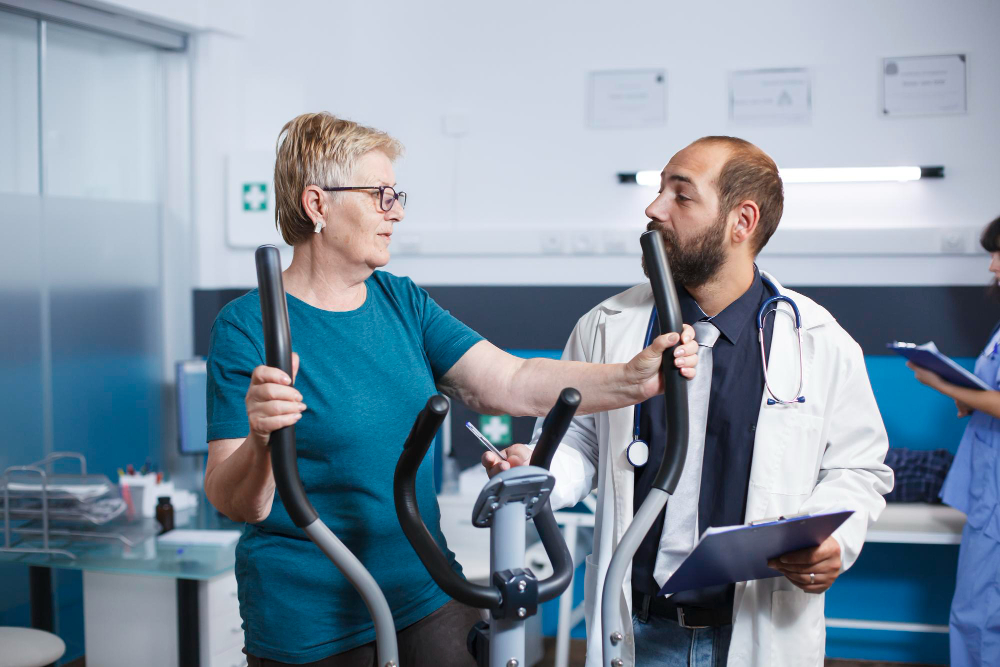
Cardiac rehabilitation, often called cardiac rehab, is a program for people with heart disease. It combines exercise, education, and support. The main goal is to help your heart work better. For example, you will learn about healthy eating, safe exercise, and ways to manage stress. The program is usually supervised by a team of doctors, nurses, and therapists. According to the American Heart Association, cardiac rehab is safe and helpful for most heart patients.
Why is Cardiac Rehabilitation Performed?
Doctors recommend cardiac rehabilitation for several reasons. First, it helps patients recover after a heart attack, heart surgery, or other heart problems. Second, it lowers the risk of future heart issues. Third, it teaches healthy habits that protect your heart. The main goals of cardiac rehab include:
Because of these reasons, cardiac rehabilitation is an important part of heart care. The Centers for Disease Control and Prevention (CDC) supports its use for many heart patients.
Who Needs Cardiac Rehabilitation?
Not everyone needs cardiac rehab, but many people can benefit. Usually, doctors suggest it for people who have had:
In addition, people with certain risk factors may also need cardiac rehab. These include:
So, if you have any of these conditions, ask your doctor if cardiac rehabilitation is right for you.
How Does Cardiac Rehabilitation Work?
Cardiac rehabilitation programs usually last for several weeks. Each program is tailored to your needs. The main parts include:
Because each person is different, your team will create a plan that fits you best. For example, some people may need more exercise, while others need more support with diet or stress.
Benefits of Cardiac Rehabilitation
There are many proven benefits of cardiac rehab. According to the World Health Organization (WHO), these programs can:
Because of these benefits, many experts call cardiac rehab a key part of heart recovery. Studies show that people who complete cardiac rehab live longer and feel better.
When Should You Start Cardiac Rehabilitation?
Usually, doctors recommend starting cardiac rehabilitation soon after a heart event or surgery. However, the exact timing depends on your health and recovery. In many cases, you can begin within a few days or weeks. It is important to follow your doctor’s advice. Starting early can help you heal faster and lower your risk of future problems.
How to Access Cardiac Rehabilitation Services
To join a cardiac rehabilitation program, you usually need a referral from your doctor. Here are some steps to get started:
Many hospitals and clinics offer these programs. Some insurance plans may cover the cost, so check with your provider.
Conclusion
Cardiac rehabilitation is a safe and effective way to recover from heart problems. It helps you build strength, learn healthy habits, and lower your risk of future heart issues. If you or a loved one has had a heart event, talk to your healthcare provider at Vedya’s Physio Care about starting a heart health recovery program. Personalized advice from a specialist can help you get the most benefit from cardiac rehabilitation.