What is Post-Stroke Rehabilitation?
After a stroke, many people face new challenges. Post-stroke rehabilitation helps people regain movement and strength. This process uses special exercises and therapies. The main goal is to help people return to daily life. Often, a team of experts, including physiotherapists, guides the recovery. According to the World Health Organization (WHO), early rehabilitation can improve recovery and quality of life.
Common Challenges After a Stroke
Stroke can affect the body in many ways. For example, some people may have trouble moving one side of the body. Others may feel weak or tired. In addition, balance and coordination can be hard to control. Speech and memory problems are also common. Because of these changes, daily tasks may become difficult. However, with the right support, many people can improve over time.
Goals of Rehabilitation: Restoring Movement and Strength
The main aim of post-stroke rehabilitation is to restore movement and strength. First, therapists help patients move safely. Next, they focus on building muscle power. Over time, people learn to do daily activities again. For instance, walking, dressing, and eating become easier. Setting small, clear goals helps track progress. As a result, patients often feel more confident and independent.
Effective Physiotherapy Techniques
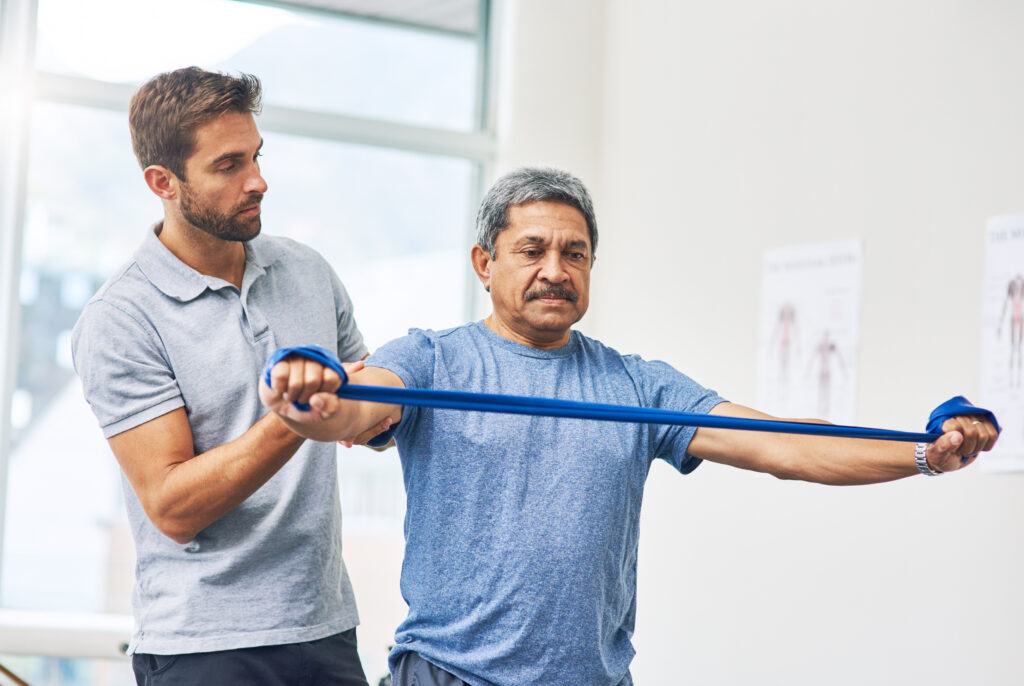
Physiotherapy plays a key role in stroke recovery. Therapists use many methods to help restore movement after a stroke. Some common techniques include:
Because each person is different, therapists create custom plans. Regular sessions can speed up recovery and reduce the risk of falls.
Home Exercises and Lifestyle Tips
Even at home, simple steps can support recovery. With guidance from a physiotherapist, people can try:
Besides exercise, a healthy lifestyle matters. Eating balanced meals and drinking enough water help the body heal. Also, getting enough sleep supports the brain. If possible, avoid smoking and limit alcohol. Family and friends can offer support and encouragement.
Prevention of Further Complications
After a stroke, it is important to prevent more problems. For example, regular movement helps avoid stiff joints and pressure sores. Good skin care and changing positions often can help. In addition, watching for signs of infection or swelling is key. Taking medicines as prescribed lowers the risk of another stroke. Regular check-ups with a doctor are also important.
When to Seek Professional Help
Sometimes, new symptoms may appear during recovery. If you notice sudden weakness, chest pain, or trouble speaking, seek help right away. Also, if exercises cause pain or discomfort, talk to your therapist. Early support can prevent serious problems. Remember, every recovery is unique. Professional guidance ensures safe and steady progress.
In summary, post-stroke rehabilitation focuses on restoring movement and strength. With the right care and effort, many people regain independence. For the best results, consult a physiotherapist at VEDYA’S PHYSIO CARE or rehabilitation specialist for personalized guidance.