
Introduction
After surgery, many people want to heal quickly and safely. Post-surgery physiotherapy can boost your recovery process. It helps you regain strength, move better, and lower the risk of problems. With the right support, you can return to your daily life sooner. In this blog, you will learn why post-surgery physiotherapy is important and how it can help you recover faster.
What is Post-Surgery Physiotherapy?
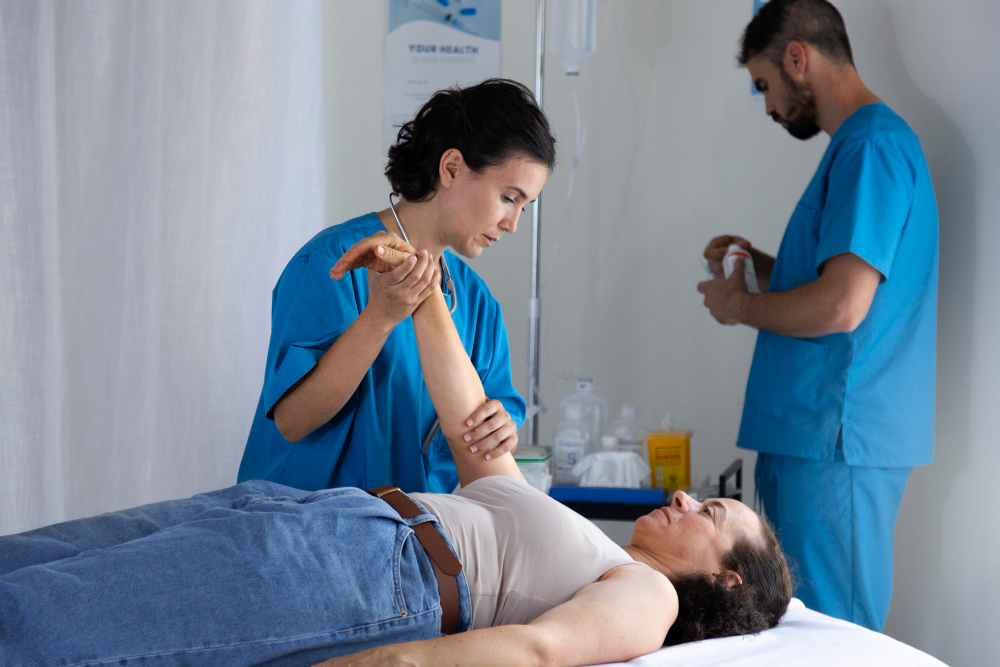
Post-surgery physiotherapy is a special treatment plan for people who have had surgery. It uses exercises, stretches, and hands-on care to help your body heal. For example, after knee or hip surgery, you may need help to walk again. Physiotherapists guide you through safe movements and teach you how to use your muscles again. This care is tailored to your needs and the type of surgery you had.
Common Surgeries That Benefit from Physiotherapy
Many surgeries require physiotherapy for the best recovery. Some common examples include:
In each case, physiotherapy helps you regain movement, strength, and confidence.
Key Benefits of Post-Surgery Physiotherapy
There are many reasons to start physiotherapy after surgery. Some key benefits include:
Moreover, physiotherapy can help you avoid future injuries. According to the World Health Organization, early movement after surgery can reduce hospital stays and improve results.
Typical Physiotherapy Techniques Used After Surgery
Physiotherapists use many safe and proven methods to help you heal. Some common techniques include:
Each plan is unique. Your physiotherapist will choose the best techniques for your needs.
What to Expect During Your Recovery Process
At first, you may feel weak or sore. However, your physiotherapist will guide you step by step. Early sessions may focus on gentle movements. As you get stronger, you will do more challenging exercises. Regular check-ins help track your progress. You may also get advice on pain control and safe ways to move at home. With time, you will notice better strength, less pain, and more confidence in your daily life.
Tips for Maximizing Your Recovery at Home
While you work with your physiotherapist, you can also help your recovery at home. Here are some helpful tips:
Additionally, always listen to your body. If something feels wrong, contact your healthcare team.
When to Consult a Physiotherapist
It is best to start physiotherapy soon after surgery, as your doctor recommends. However, you should also contact a physiotherapist if you notice:
Early help can prevent small problems from becoming serious.
Frequently Asked Questions
Conclusion
In summary, post-surgery physiotherapy is a key part of healing. It helps you regain strength, move safely, and return to your normal life faster. For the best results, follow your plan and ask questions when needed. Consult a qualified physiotherapist at VEDYA’S PHYSIO CARE for personalized post-surgery recovery guidance.