
Introduction
Physiotherapy: The Key to Unlocking Potential in Autism is more than just a phrase. For many children with autism, physiotherapy can make a real difference. It helps improve movement, balance, and daily life skills. Because every child is unique, physiotherapy offers a personal approach. As a result, many families see positive changes. In this blog, you will learn how physiotherapy supports children with autism. You will also find tips and steps to get started.
What is Autism?
Autism, or autism spectrum disorder (ASD), is a condition that affects how a person communicates and interacts. Children with autism may have trouble with social skills. They might also repeat certain actions or have strong likes and dislikes. Some children may move differently or have trouble with balance. According to the CDC, autism affects about 1 in 36 children. Early support can help children reach their full potential.
How Physiotherapy Supports Children with Autism
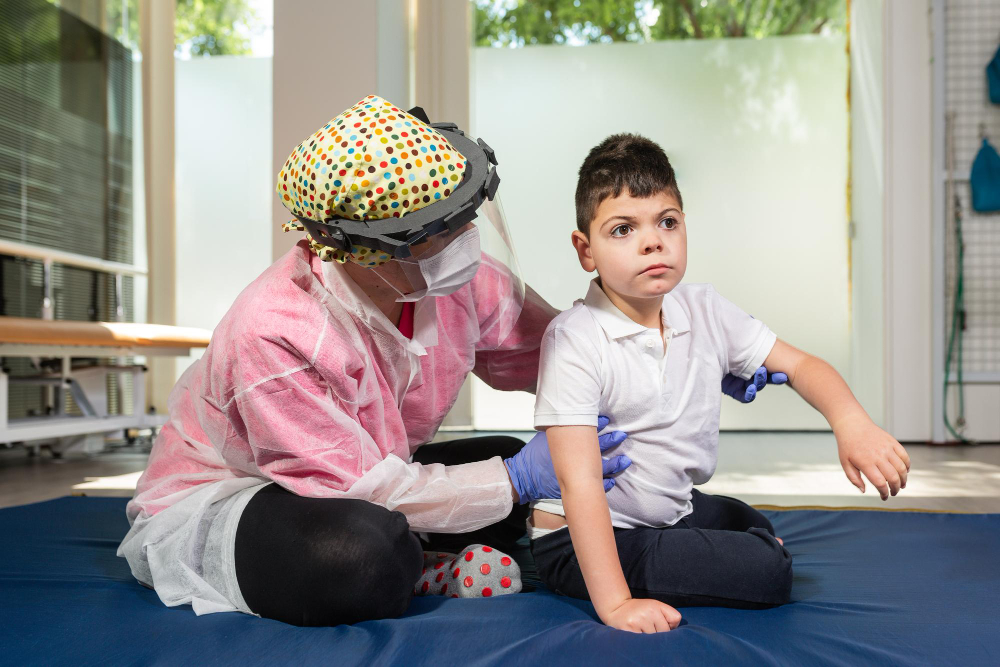
Physiotherapy helps children with autism in many ways. First, it focuses on movement and physical skills. For example, some children may have weak muscles or trouble with balance. Physiotherapists use fun activities to build strength and coordination. In addition, they help children learn how to move safely. Because each child is different, the therapy plan is made just for them. This personal care helps children feel more confident and independent.
Key Benefits of Physiotherapy in Autism
Physiotherapy offers many benefits for children with autism. Here are some key advantages:
Because these skills are important for daily life, physiotherapy can help children join in more activities. According to the World Health Organization, early therapy can lead to better long-term outcomes.
Common Physiotherapy Techniques for Autism
Physiotherapists use many techniques to help children with autism. Some common methods include:
Often, therapists use toys, music, or play to make sessions enjoyable. Because children learn best when having fun, these methods work well.
How to Start Physiotherapy for Autism
Starting physiotherapy for autism is simple. First, talk to your child’s doctor. They can help you find a qualified physiotherapist. Next, meet with the therapist to discuss your child’s needs. The therapist will assess your child and create a plan. Sessions may happen at a clinic, school, or even at home. Because regular practice is important, try to follow the therapist’s advice at home too.
Tips for Parents and Caregivers
Parents and caregivers play a big role in therapy. Here are some helpful tips:
Because support at home matters, children often make faster progress.
Prevention and Early Intervention
Early intervention means starting therapy as soon as possible. According to experts, children who get help early often do better. Physiotherapy can prevent future problems with movement and posture. For example, it can stop muscle weakness before it starts. If you notice signs of autism, talk to your doctor right away. Early support can unlock your child’s full potential.
In summary, physiotherapy is a key part of autism care. It helps children move better, feel stronger, and join in daily life. Consult a qualified physiotherapist at Vedya’s Physio Care for personalized advice on autism care.