
Introduction
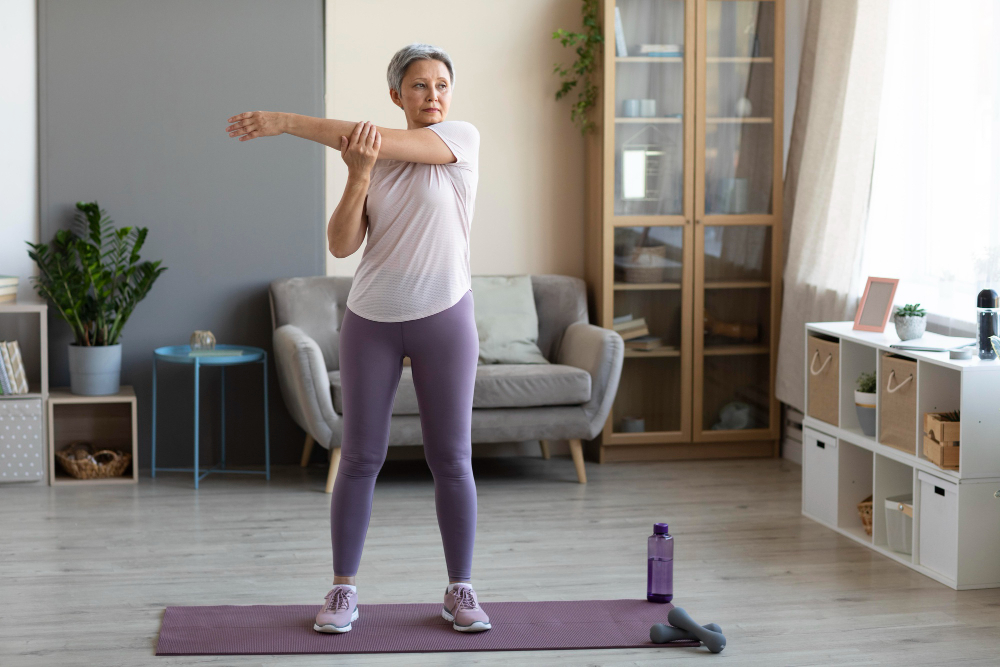
Staying active is important for women over 60. Regular exercise helps keep your body strong, improves balance, and boosts flexibility. In fact, exercises for women over 60 can lower the risk of falls and support healthy aging. Many safe exercises for seniors are easy to do at home. The best workouts for older women focus on gentle movements and steady progress. With the right senior fitness routines, you can enjoy better health and more energy every day.
Benefits of Exercise for Women Over 60
Exercise offers many benefits as we age. Not only does it help maintain muscle strength, but it also supports heart health. For example, regular movement can improve mood and reduce stress. In addition, staying active helps keep your bones strong and joints flexible. Here are some key benefits:
According to the CDC, older adults should aim for at least 150 minutes of moderate activity each week. Even small amounts of movement can make a big difference.
Safety Tips Before Starting
Before you begin any new exercise, it is wise to check with your doctor. This step is important, especially if you have health concerns or take medication. Here are some safety tips to keep in mind:
For extra safety, consider exercising with a friend or in a group. This can also help you stay motivated.
5 Essential Exercises for Women Over 60
1. Chair Squats
Chair squats help strengthen your legs and improve balance. They are easy and safe for most seniors.
Chair squats build strength in your thighs and hips. However, use a chair with no wheels and avoid if you have knee pain.
2. Wall Push-Ups
Wall push-ups are a gentle way to build upper body strength. They are safer than floor push-ups for seniors.
This exercise works your chest, arms, and shoulders. If you feel wrist pain, stop and try again later.
3. Heel-to-Toe Walk
The heel-to-toe walk improves balance and coordination. It is simple but very effective.
For added safety, use a wall or chair for support. This exercise can help prevent falls.
4. Seated Leg Lifts
Seated leg lifts strengthen your legs and support joint health. They are easy to do while sitting.
This move helps with walking and standing. If you feel any pain, stop and rest.
5. Gentle Neck and Shoulder Stretches
Stretching keeps your muscles flexible and reduces stiffness. Neck and shoulder stretches are great for daily comfort.
Always move gently and avoid bouncing. Stretching should never cause pain.
How to Start and Stay Motivated
Starting a new routine can feel hard. However, small steps make it easier. Begin with just 5–10 minutes a day. As you feel stronger, add more time or new exercises. You can also:
Remember, consistency is key. Even gentle movement each day can lead to big changes over time.
Frequently Asked Questions (FAQ)
Consult a physiotherapist at VEDYA’S PHYSIO CARE or healthcare provider before starting any new exercise routine for personalized advice.